
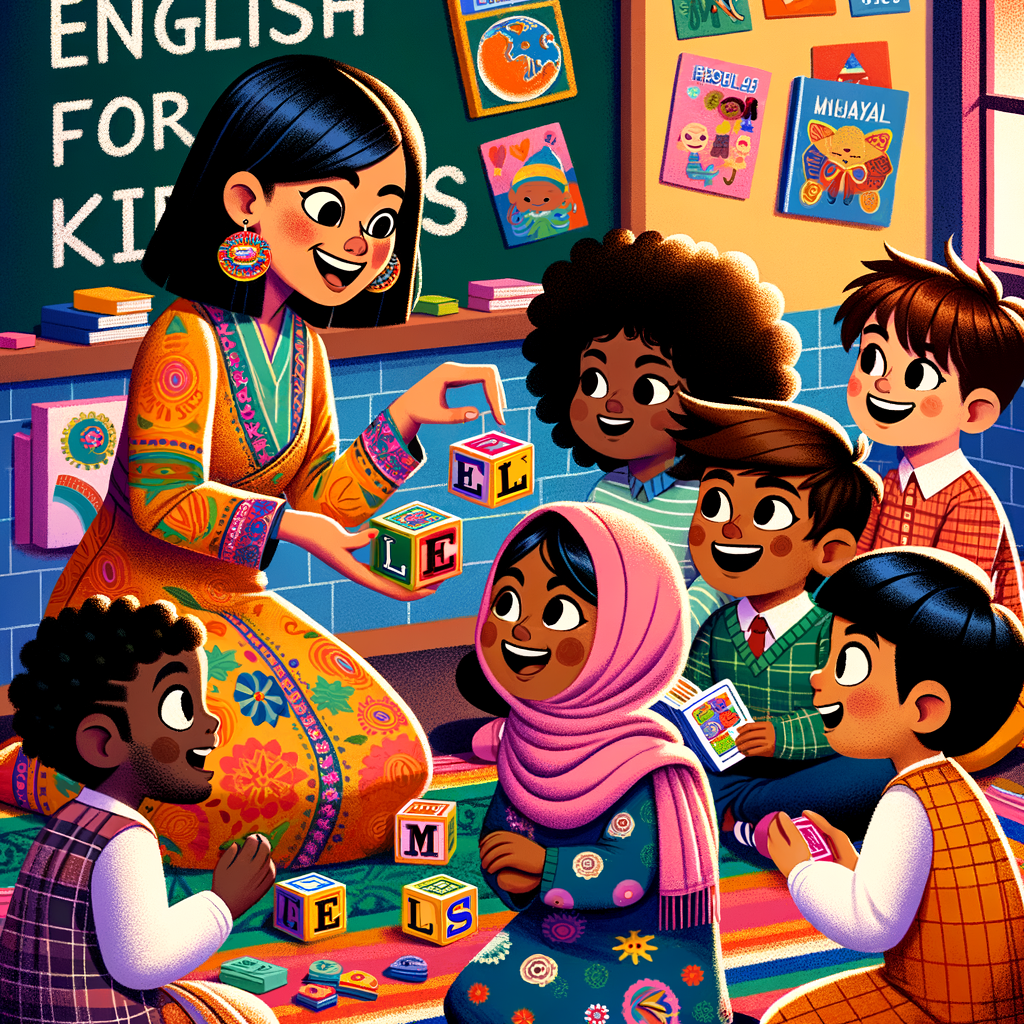
English for kids can be both a fun and educational journey when combined with the right tools—especially engaging games. Children learn best when they’re playing because it fosters natural communication and collaboration. Whether you’re a teacher, parent, or tutor, using interactive ESL games is a highly effective way to teach young learners. The key is to keep activities simple, energetic, and age-appropriate so that lessons stick without feeling like work.
Why Use ESL Games in the Classroom?
Using ESL games when teaching children English transforms traditional lessons into exciting learning adventures. Kids often struggle with attention spans and may find vocabulary drills or grammar practice tedious. Games provide a purposeful form of repetition that keeps students engaged while reinforcing key skills like speaking, listening, reading, and writing. Ultimately, it makes the language feel real and usable.
Tried-and-True ESL Games for Teaching Children English
Here are several classic and creative games that teachers around the world swear by when teaching young English learners.
1. Simon Says (Listening and Vocabulary)
This classic game improves listening skills and helps kids follow verbal instructions. It introduces new vocabulary effortlessly—body parts, actions, directions—with movement. You say, “Simon says touch your nose,” and the kids follow. If you don’t say “Simon says,” and they still do the action, they’re out. It’s fun, fast-paced, and effective.
2. Flashcard Races (Reading and Recognition)
Use flashcards with images and English words. Lay them out across the room or board, call out a word, and have kids race to point to or slap the correct card. This encourages word recognition and gets kids moving.
3. Word Fishing (Spelling and Sentence Building)
Cut out fish shapes with vocabulary words on them and “fish” for them with a rod (magnet or clip attached). Once a word is caught, the child has to use it in a sentence. Great for developing both comprehension and creativity.
Making English for Kids Fun and Memorable
The secret to success when teaching children English lies in content that feels more like play than practice. Kids learn through doing, and ESL games provide that essential hands-on interaction with the language. Rotating game types—such as movement-based ones for energy and team games for cooperation—keeps every class dynamic.
Incorporating music, visuals, rewards, and storytelling into your sessions will also solidify new words and grammar in ways traditional methods can’t. With just a few versatile games, you can craft electrifying lessons that leave young learners excited for more.
By turning lessons into playtime, you’re not only teaching English—you’re setting the stage for a lifelong love of learning.